
 7.6
7.6AnimeXD: watch anime episodes online, every one in order
The anime of the 2000s and 2010s, the runs people grew up on and still come back to: Detective Conan at twelve hundred episodes, One Piece, Pokémon, Bleach, Naruto, Inazuma Eleven, Beyblade Burst and Yu-Gi-Oh!, with every episode listed in order and dated the day it aired, and the films beside them. Search any title, press Reached this episode on the row you finished, and Watch now opens the anime on the services carrying it in your country, subbed or dubbed.
Latest Updates
 JoJo's Bizarre Adventure Episode 2JoJo's Bizarre Adventure · Season 6
 One Piece Episode 1179One Piece · Season 23
 Detective Conan Episode 1213Detective ConanOne Piece Episode 1178One Piece · Season 23
 Bleach Episode 48Bleach · Season 2One Piece Episode 1177One Piece · Season 23Bleach Episode 47Bleach · Season 2Detective Conan Episode 1212Detective ConanOne Piece Episode 1176One Piece · Season 23Bleach Episode 46Bleach · Season 2Detective Conan Episode 1211Detective ConanOne Piece Episode 1175One Piece · Season 23Bleach Episode 45Bleach · Season 2Detective Conan Episode 1210Detective ConanOne Piece Episode 1174One Piece · Season 23Bleach Episode 44Bleach · Season 2
New Animes
More ›7.6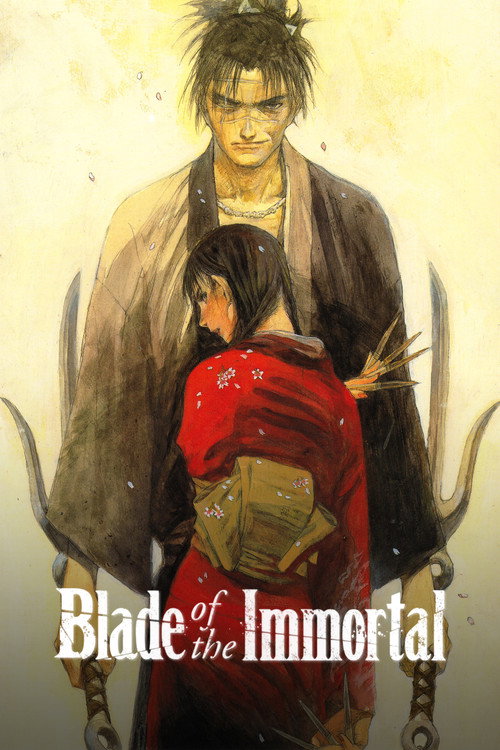 7.2
7.2Blade of the Immortal
Genres : Animation Drama Action Adventure 8.0
8.0Fruits Basket
Genres : Animation Drama Sci-Fi Fantasy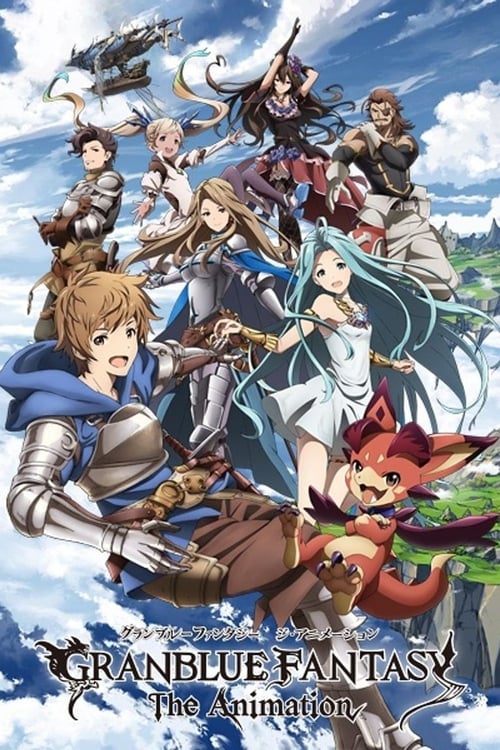 6.4
6.4Granblue Fantasy: The Animation
Genres : Action Adventure Animation Sci-Fi Fantasy 5.9
5.9BanG Dream!
Genres : Animation Comedy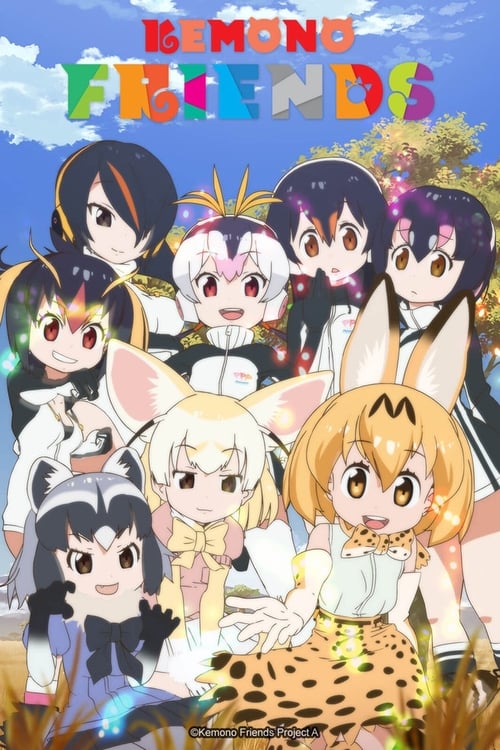 5.0
5.0Kemono Friends
Genres : Animation Comedy 5.7
5.7One Room
Genres : Animation Comedy 7.8
7.8Onihei
Genres : Drama Animation CrimeOngoing Animes
More ›Anime Movies
More ›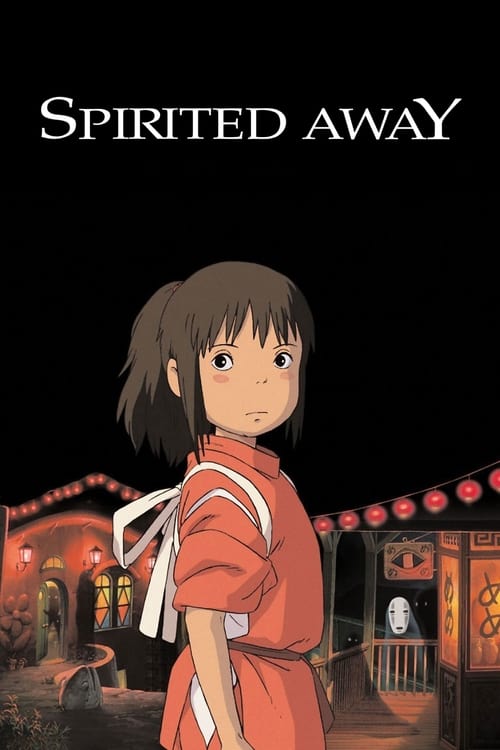 8.5
8.5Spirited Away
Genres : Animation Family Fantasy 7.9
7.9Ghost in the Shell
Genres : Action Animation Science Fiction 7.8
7.8Paprika
Genres : Animation Science Fiction Thriller 7.5
7.5One Piece Film: Z
Genres : Animation Fantasy Action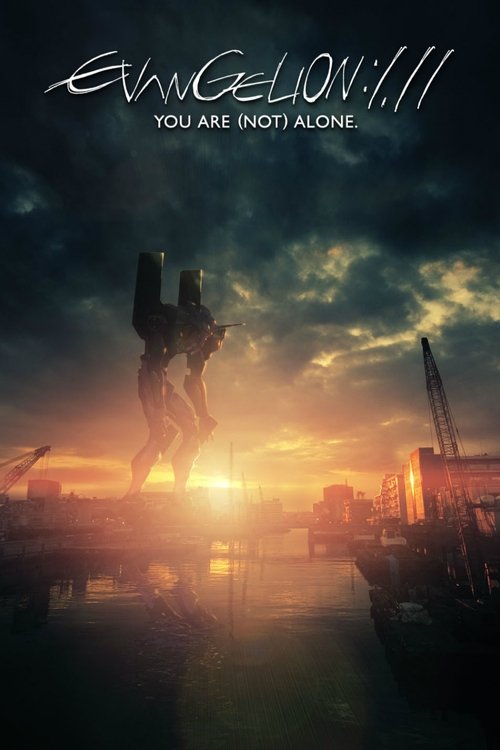 7.6
7.6Evangelion: 1.0 You Are (Not) Alone
Genres : Animation Science Fiction Action 7.2
7.2Naruto Shippuden the Movie: Blood Prison
Genres : Thriller Animation Action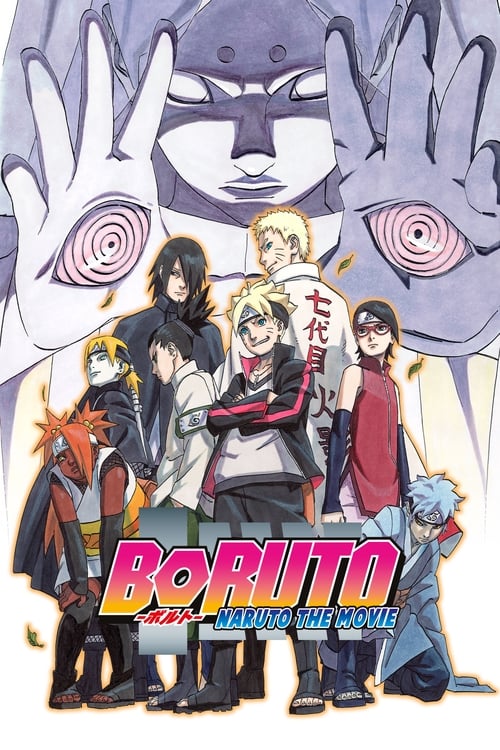 7.5
7.5Boruto: Naruto the Movie
Genres : Adventure Action Animation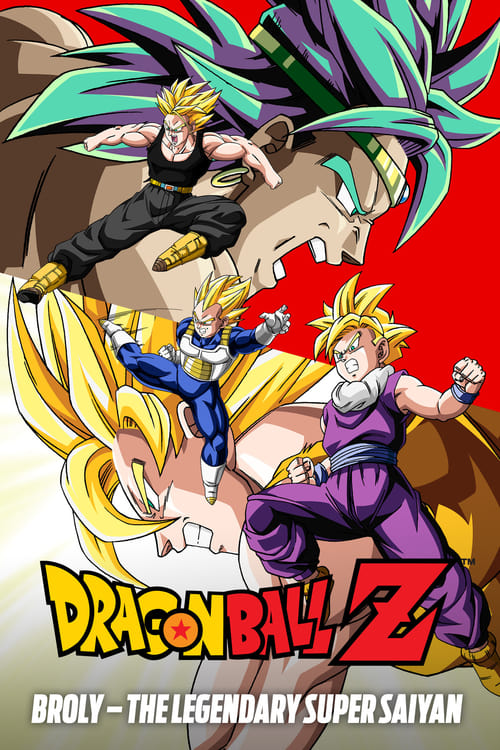 7.3
7.3Dragon Ball Z: Broly - The Legendary Super Saiyan
Genres : Animation Science Fiction ActionLong Runs
More › 8.4
8.4Bleach
Genres : Action Adventure Animation Sci-Fi Fantasy 8.0
8.0Pokémon
Genres : Animation Action Adventure Sci-Fi Fantasy 8.6
8.6JoJo's Bizarre Adventure
Genres : Animation Action Adventure Sci-Fi Fantasy 8.4
8.4Naruto
Genres : Animation Action Adventure Sci-Fi Fantasy 8.4
8.4Dragon Ball Z
Genres : Animation Sci-Fi Fantasy Action Adventure 8.0
8.0Detective Conan
Genres : Animation Crime Mystery 8.7
8.7One Piece
Genres : Action Adventure Comedy Animation 8.0
8.0Inazuma Eleven
Genres : Animation Sci-Fi FantasyBrowse by Genre
All genres ›Help
All topics ›Long-running anime on AnimeXD: every episode, in order
How the long runs are laid out, why every episode is dated, and how to keep your place through a thousand episodes.
Kids TV anime and Disney XD: Pokémon, Beyblade, Inazuma Eleven and the rest
The anime many people first met on children's television, including the soccer anime and the other shows Disney XD carried.
Seasons and episodes on AnimeXD
How seasons are counted, how to find an episode by number or date, and how My List keeps your place.
The AnimeXD app: install from the browser
How to put AnimeXD on a phone's home screen in two taps, and what it keeps.
animexd tv, me, com: the addresses, and the one to keep
The hosts the name has used, the Spanish-language namesake, and how to recognise the real site.
Is AnimeXD safe, and is it legal?
What the site stores, what it never asks for, and why the viewing is licensed in the country you choose.
AnimeXD: watch anime episodes online, every one in order, the long runs of the 2000s and 2010s first
AnimeXD's old pages carried one line under the wordmark, "watch anime episodes online", and the episodes people came for were the long ones. This site keeps that promise literally. Detective Conan is here with 1,213 dated episodes, Pokémon with 1,235, One Piece with 1,179, Bleach with 414 and Naruto with 220, every episode listed in order and dated the day it aired in Japan, with a Reached this episode button on every row. Press Watch now on any of them and the anime opens on the services carrying it in your country, the Japanese original and the English dub in the player's audio menu.
The rest of the shelf is the anime of the same years: Inazuma Eleven and Beyblade Burst, the shows many people first met on children's television; Fullmetal Alchemist: Brotherhood, Hunter x Hunter and JoJo's Bizarre Adventure; the Gundam series, the romances, the sports anime; and two hundred and twenty films from Spirited Away and Ghost in the Shell to the Naruto and Dragon Ball Z films. Save what you want to My List and AnimeXD keeps your place, without an account.
The look, measured from the 2017 stylesheet
AnimeXD's pages did not survive in the archives in one piece, but its stylesheet did, on the third address it used, and the design here is read from it. The page is a very dark navy with a painted texture behind it; the header is nearly black; panels sit at a faint white over the navy and cards a little brighter; the accent is orange, with a sharper red-orange on labels and list arrows; the footer carries a thin rule that runs from red to orange, the same gradient as the wordmark; the rank numbers on the top list are orange circles; poster frames are a pale lilac line with softly rounded corners; and the type is Montserrat. Those are the parts the site kept on every page, and they are the parts this one keeps.
What changed is what sits inside that frame. The old site listed episodes as links; this one lists them as rows in a season table, each with its date, its summary and a button that remembers your place. The old site had one address that moved; this one has an address that stays. And the page is laid out for a phone first, two posters across, the menu behind the ≡ button, the season tables full width.
Every episode, in order
The whole site rests on one idea: an episode list is only useful if it is complete, in order and dated. Every series here has a page per season, and every season page lists every episode that has aired, in broadcast order, with its title, the day it aired in Japan, its running time and a one-line summary. The long shonen keep the continuous numbering fans use, so One Piece episode 900 is episode 900 and Detective Conan episode 1000 is episode 1000. When a service numbers a run differently, splitting a season or folding two together, the date is the key that matches them: find the episode here by its date and find the same date there. Four hundred and ninety-six seasons and 15,393 dated episodes sit behind the shelves at the September 2026 update.
Reading a card
Each card is a poster in its lilac frame with the title beneath it and, under the title, the year and whether it is a series or a film. The white pill in the corner of the frame carries the audience score, the genre line under the title says what kind of story it is, and a series carries its count of dated episodes on its page, so a twelve-episode cour and a thousand-episode run are told apart before anything is opened. The star rating with its vote count sits beside the year when enough people have voted for it to mean something. For a catalogue weighted to the 2000s and 2010s, the year is the most useful thing on the card, because it says which television you probably watched it on.
Search
The search reads any name a series goes by. Case Closed and Detective Conan open the same page; Hagane no Renkinjutsushi and Fullmetal Alchemist agree; JoJo, HxH, FMAB and GTO work as shorthand; Inazuma Eleven finds its series whether it is typed with the space or without. Words like "watch", "online", "free", "episode", "anime" and "animexd" are stripped before the search runs, so a phrase remembered from the old site's title, "animexd me watch anime episodes online", lands on the front page and "watch anime xd bleach" lands on Bleach. Add a number, "detective conan 900" or "one piece 500", and the results narrow to the series with that dated episode; the season page opens with the row highlighted. The search page adds type, genre, year, status and a minimum rating, and the search guide takes the awkward cases.
Detective Conan
Detective Conan, which some of its English releases called Case Closed, is the longest detective series in anime and one of the longest runs on the site, 1,213 episodes dated from 1996 to this autumn. It is also the easiest long run to dip into, because most cases close within one to three episodes; the season tables mark where each case starts, and the one-line summaries say who the victim is and where. The continuing story, the Black Organisation, runs through a smaller number of episodes that fans can list by heart, and the summaries make them easy to find. It is still returning, and new episodes appear on the Latest episodes list as they air.
Pokémon
Pokémon is the longest table on the site, 1,235 episodes from 1997 to the present, grouped by the regional series the English releases used. It is also the series most people first watched on children's television, and the English dub, the one with the theme song everyone remembers, is the default track on most services that carry it. Pokémon Generations, eighteen short episodes, sits beside it for the games' stories, and the films of the era sit on the movies shelf with their years, The Movie 2000 and Mewtwo Returns among them. With a run this long, Reached this episode is the only sane way to watch, and the export on My List keeps a child's place and a parent's apart.
One Piece
One Piece runs to 1,179 dated episodes across its arcs, and the season pages follow the arcs so that East Blue, Alabasta, Water 7, Marineford and Wano are each a page with a beginning and an end. The numbering is continuous, as fans count it. The films sit with their years, Strong World and Film Z among them; each is a side story that can be watched once you know the crew. It is still returning, so the newest episodes appear on the Latest episodes list the day they air.
Bleach and Naruto
These are the two runs the old site was busiest with, and they are laid out the way people watched them then. Bleach has its 414 episodes dated from 2004, the original run and the Thousand-Year Blood War that returned years later, each on its own season pages. Naruto has its 220, fillers included and dated so you can see where they sit, and the Shippūden films sit on the movies shelf, The Will of Fire and Blood Prison among them. The fillers are worth knowing about before starting: the one-line summaries say when a stretch of episodes steps away from the manga, and skipping them costs nothing because Reached this episode records a place, not a count.
Dragon Ball
The Dragon Ball shelf is the old television schedule in one place: Dragon Ball with 153 episodes from 1986, Dragon Ball Z with 291, Dragon Ball Super with 131, and the Z films that ran alongside them, Broly: The Legendary Super Saiyan, Fusion Reborn, Bardock: The Father of Goku and The World's Strongest. The Z films are side stories that stand on their own; Bardock is a prequel best watched once you know who he is. Search "dragon ball" and read the years down the results for the order.
Gintama and Fairy Tail
Gintama, 367 episodes, is the long run that is also a comedy, and it rewards dipping in anywhere; the serious arcs are few and the summaries flag them. Fairy Tail, 328 episodes, is the guild story that filled the gap between Naruto and the 2010s, and its arcs are laid out as seasons so a tournament or a war is one page. Both are finished, so both are checklists: open the first season, press Reached this episode as you go, and My List tells you how far you are.
Kids TV anime and Disney XD
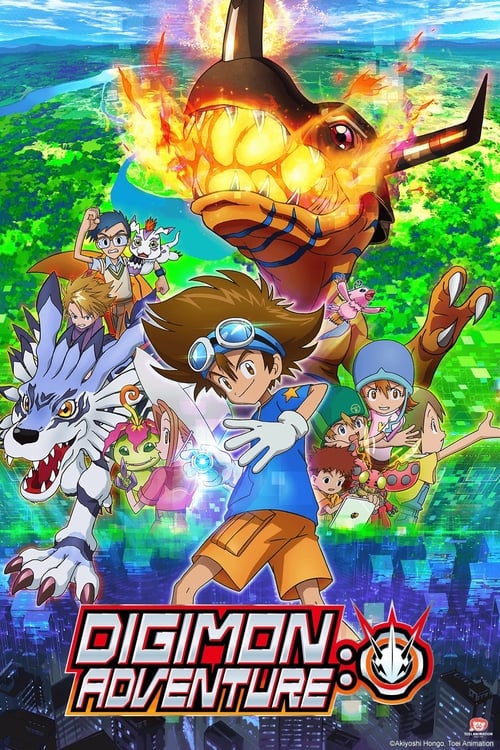
People search "disney xd anime" and "soccer anime on disney xd" beside the name, and what they are looking for is the television of their childhood. The kids TV shelf gathers it: Pokémon, Inazuma Eleven, Beyblade Burst and the original Beyblade, Yo-kai Watch, Yu-Gi-Oh! Arc-V, Bakugan Battle Brawlers, Digimon Tamers, Digimon Frontier, the 2020 Digimon Adventure, Aikatsu!, Chi's Sweet Home and Gundam Build Fighters. Disney XD carried several of these in the United States and Europe; other children's channels carried the rest, and which showed what depended on the country and the year. The kids TV guide says where they play now.
Inazuma Eleven
"The soccer anime" is Inazuma Eleven, 268 episodes from 2008, about a school football club with more heart than players that ends up at the world stage. It ran across several seasons on children's channels in Europe, the dub renamed the characters, and the season pages list every match in order with its date so a tournament is easy to find. For people who came to it through a football game or a cousin, it is the easiest long run on the site to start: the stakes are clear, the episodes are short, and the sports shelf beside it holds Captain Tsubasa: Road to 2002 for the next one.
Beyblade, Yu-Gi-Oh!, Bakugan and Digimon
The card-and-toy anime of the 2000s were made to sell a game, and they turned out to be good television. Beyblade has 154 episodes from 2001 and Beyblade Burst 309 from 2016, the second the one children know now. Yu-Gi-Oh! Arc-V has 148, and the film The Dark Side of Dimensions brings the original cast back. Bakugan Battle Brawlers has 189 across its series. The Digimon series, Tamers and Frontier from the early 2000s and the 2020 Adventure, are the ones people argue about in order; the years settle it. All of them carry the English dub the channels used.
Shounen of the 2000s
The shounen shelf holds eighty-three titles, and the 2000s are its heart: Bleach, Naruto, InuYasha with 193 episodes, Fullmetal Alchemist and Brotherhood, D.Gray-man with 103, Eyeshield 21 with 145, Blue Dragon with 102, and into the 2010s Toriko with 147 and Beelzebub with 60. Two Fullmetal Alchemists is the question people ask most: the 2003 series follows its own path after the manga's early chapters, and Brotherhood follows the manga to its end; either can come first, and Brotherhood is the one to finish on.
The 2010s
The 2010s shelf is the largest, two hundred and seventy titles, and it is where the old site's front page lived in its last years: JoJo's Bizarre Adventure with 192 episodes across its parts, Hunter x Hunter with 148, Kingdom with 155, Sword Art Online with 96, Mob Psycho 100, One-Punch Man, Tokyo Ghoul, Kill la Kill, Log Horizon and the 2019 Fruits Basket. JoJo's parts each have their own season pages, which is the easiest way to see that each part is a new cast.
Gundam and the mecha
The mecha of the 2000s are a shelf of their own: Gundam SEED with 100 episodes, Gundam 00 with 50, Eureka Seven with 74, Full Metal Panic! with 60, Gundam Build Fighters, the one that turned the model kits into a sport, and the film Mazinger Z: Infinity, which brings the oldest super robot to a modern screen. Gundam's timelines are separate universes, so SEED and 00 can each be started cold; the year on the card is enough to keep them apart.
Sci-fi and other worlds
The sci-fi, mecha and other worlds shelf runs from Legend of the Galactic Heroes, 110 episodes of space opera from 1988, to Ghost in the Shell: Stand Alone Complex, Last Exile, Guilty Crown, Sword Art Online and Log Horizon, the two that made the trapped-in-a-game story a genre. Legend of the Galactic Heroes is the one to put aside a month for; Stand Alone Complex mixes stand-alone cases with a running story, and its summaries say which is which.
Romance and slice of life
The romance and slice-of-life shelf holds the gentler series of the era: Clannad, Chihayafuru, which is also a sports anime about competitive karuta, K-ON!, Lucky Star, Mushi-Shi, Fruits Basket, Cardcaptor Sakura and Sailor Moon. Clannad's second season, After Story, is the reason people cry about Clannad; it is on its own season page. Mushi-Shi is the one to put on when nothing else fits, one quiet story an episode.
Sports
The sports shelf holds Inazuma Eleven, Eyeshield 21, American football drawn by the artist who later drew Dr. Stone, Hikaru no Go, which made a board game gripping, Baby Steps for tennis, Free! for swimming, Yuri!!! on Ice for skating, Encouragement of Climb for mountains and Captain Tsubasa: Road to 2002. Real rules, invented rivals, and matches that run across several episodes; the season tables show where each tournament begins.
Mystery, crime and dark fantasy
The mystery, crime and dark fantasy shelf holds Death Note, Black Butler, Durarara!!, Black Lagoon, Blood+, Claymore, Berserk, Akame ga Kill! and Tokyo Ghoul, with Detective Conan's cases at the gentle end. This is the shelf where the age guidance on the service matters, and where skipping the one-line summaries is worth it if you want to guess along.
Comedy
The comedy shelf is the one to dip in and out of: Gintama, One-Punch Man, Beelzebub, Lucky Star, Chi's Sweet Home, two hundred and eight three-minute episodes about a kitten, Great Teacher Onizuka and Mob Psycho 100. Most episodes stand alone, which makes the shelf the safest thing to start with a room full of people who have not agreed on anything.
Before 2000
The before-2000 shelf holds forty-five titles: Detective Conan's and Pokémon's first seasons, One Piece's East Blue, Dragon Ball Z, Sailor Moon with 200 episodes, Cardcaptor Sakura, Cowboy Bebop, City Hunter with 140, Great Teacher Onizuka, Berserk's 1997 series and Legend of the Galactic Heroes. These were made for the square televisions of their day; the services carry the best master that exists, and the free tiers carry a good share of the shelf.
The films
Two hundred and twenty films are on the movies shelf. The standalone ones first: Spirited Away, Ghost in the Shell, Paprika, Maquia, Mary and the Witch's Flower, The Tunnel to Summer, the Exit of Goodbyes, Tales from Earthsea and Earwig and the Witch. The family films, Stand by Me Doraemon and its sequel. The Evangelion rebuilds, 1.0 among them. And the oddity people search for, Batman Ninja vs. Yakuza League. The runtime sits on every page, so a film can be the evening.
Franchise films in order
The franchise films shelf holds the thirty-seven films that continue a long run, and the question is always where they go. The Naruto and Shippūden films sit between arcs by their years; the Dragon Ball Z films are side stories that can go anywhere once the cast is known; the Pokémon films follow the series of their year; the One Piece films are best after you know the crew. Where a franchise is not covered here, search its name and read the years down the results; that is the watch order for almost everything on the shelf.
Reading an anime page
An anime page opens with the poster, the Japanese title under the English one, and a row of chips: TV or Movie, the year, Ongoing or Completed, the number of dated episodes and the first three genres. Then the story, then Watch now and Add to My List. Under the story sits the Where to watch panel with the country menu; then the facts, the original title, the first air date, the language, the studio, the TMDB rating with its vote count and the other names the anime goes by, every one of them searchable. Below come the voice cast and creators, each a search away from their other work, a You may also like row built from the genre, and the season links.
Reading a season table
A season page is one table. Each row carries the episode number, the title, the day it aired in Japan, the running time, a one-line summary and the Reached this episode button. The row you marked last is highlighted when you open the page. Above the table sit the season's first air date, its episode count and links to the seasons either side, so a long run is walked one page at a time. A row with no summary yet is an episode announced and dated but not yet described, which is how the next Detective Conan or One Piece episode appears before it airs.
Top rated
The Top rated list on the front page carries the orange circle rank chips the old site used, one to ten, and the full list runs to fifty. Every score is the TMDB audience rating with its vote count, and the list requires five hundred votes behind a title before it can appear, which is why Brotherhood, Hunter x Hunter, Death Note and Cowboy Bebop sit near the top and a new series with a handful of votes waits its turn. The top rated series shelf uses the same rule.
My List
Add to My List sits beside Watch now on every page, and the list itself opens from My List at the right of the header. A card on it carries the poster, the year and, for a series, the place you reached, set by pressing Reached this episode on the season table: "Season 3, Episode 12", or for Detective Conan simply "Episode 987". Press a later row and the place moves; the button changes to Saved here. The list lives in the browser, private to you. Export writes the titles and the marks to a small file and Import merges such a file with the later mark winning, which is how a list moves from a phone to a tablet to a television's browser.
Watch now and your country
Watch now is the button under every anime. Press it and the anime opens on the services carrying it in the country you chose: the anime specialists, the global subscriptions, the children's services that carry the kids TV shows, the free ad-supported services marked as free, and the stores that sell a season. Choose one and the anime plays there in HD with its audio menu, on every device the service supports. AnimeXD stays where you were, ready for the next search.
Twelve countries are covered, and the country changes the answer for this catalogue more than most: an older run licensed in one country can be on no service in the next, and the kids TV shows move between services as their licences change. Choose the country you are in and change it on purpose when you travel. Every service on the list holds a licence for the country you selected, which is what keeps the viewing legal, and a referral fee from some of them, at their ordinary price, is how the site pays its way. The country page lists the twelve.
Sub, dub and the dubs you grew up with
For much of this catalogue the English dub is not an afterthought but the version people remember: the Pokémon theme, the Dragon Ball Z narrator, Inazuma Eleven's renamed team, Beyblade's commentator. The services carry those dubs in the audio menu beside the Japanese original with subtitles, and switching is one tap in the player; the subtitles follow. The Latin American Spanish dubs, which is what "xd anime latino" is after, are on the services in those countries; set the country menu to Mexico and the Watch now list shows them. The sub and dub guide covers subtitles that will not show.
Free
Everything on the site costs nothing: search, the shelves, every anime and season page, My List and the app, with no account. When you press Watch now, the list includes the free ad-supported services, marked as free, beside the subscriptions, and for a catalogue weighted to the 2000s and 2010s, free carries a great deal: whole runs of the long shonen, the kids TV shows, the older mecha series and many of the films. The newest seasons of a returning run sit on the subscriptions first. The free anime guide says how to tell which is which from the list.
The older runs on a modern screen
Much of this catalogue was made for the televisions of its day: the 1990s runs in standard definition and a square frame, the mid-2000s in the change to widescreen, the 2010s in HD. The services carry the best master that exists, sometimes remastered, sometimes upscaled, and the HD label says it plays in high definition; a 1996 episode of Detective Conan looks as good as it will look, and it looks fine. An episode in HD uses about half a gigabyte, a quarter at 480p, which matters on a long run over mobile data. The quality guide has the numbers.
The app
The app installs from the browser: in Chrome on Android choose Add to Home screen; in Safari on iPhone tap share and choose Add to Home Screen. It installs with the orange icon, opens full-screen with your list, your country and your episode marks inside it, and updates itself every time it opens. There is no file to download and nothing to sideload. On a PC, Chrome and Edge install it from the address bar. The app guide covers the rest.
Downloads
The download lives on the service you open with Watch now: seasons come down to a phone or tablet with the audio track you chose and stay for weeks. A season of twenty-six episodes is about thirteen gigabytes in HD and six at 480p, so take a long run an arc at a time over Wi-Fi the night before. The installed app opens without a connection and shows My List and the marks. The downloads guide covers space and tracks.
On a television
The kids TV shows were made for a television, and a Saturday of Inazuma Eleven or Beyblade Burst on the big screen is how most people first watched them. Choose on the phone, press Watch now, pick the service, and press the cast icon inside that service's player: Chromecast from Android, AirPlay from an iPhone, the built-in cast on Samsung and LG. The stream goes to the television in HD with the same audio menu, and the phone stays free as the remote. Android TV, Google TV and Fire TV's browser open the site directly. The devices guide takes each screen in turn.
tv, me and the address to keep
The site used animexd.tv and then animexd.me, and the me address's stylesheet is what the design here is measured from; "animexd com" and "anime xd website" are the searches of people looking for it since. "xd anime latino" and "anime xd no fansub" belong to a Spanish-language namesake that shares the letters and nothing else. This address is the English site rebuilt, and it does not move; save it to the home screen and the question never comes up again. The addresses guide says how to recognise the real site: the red-to-orange wordmark, anime pages with every episode dated, a Watch now button that lists services by country, and nothing else.
When it will not load
Switch the phone between Wi-Fi and mobile data first, because a filtering network is the usual cause. If the dark navy page is missing and the text runs edge to edge, the stylesheet did not arrive: reload once. If search stops at Loading results, scripts are blocked; allow them or use the A-Z list. If Watch now lists nothing, change the country menu, because an older run can be licensed in one country and not the next. A player error belongs to the service you opened; reload its player or pick the next service. The not working guide goes through each case.
Safe and legal
AnimeXD installs nothing beyond the home-screen shortcut, creates no account and offers no file; the only things kept are your list, your country and your episode marks, in your own browser, and the privacy page lists them. No page asks for a card and no player asks for a plug-in. The anime plays on the service you pick from the Watch now list, and every service on it holds a licence for the country you selected. The age guidance is on the service you open; heavy fanservice series and adult productions are not listed. The safe and legal guide has both answers in full.
Sites like AnimeXD
Four things decide whether an anime site is worth keeping for the long runs: whether the runs are complete and in order; whether every episode carries its date; whether the dubs people grew up with are reachable; and whether the site works on a phone. On all four this is the site people came to AnimeXD for. The alternatives guide takes each in turn, and for a run you will rewatch, the services on the Watch now list are the better second place.
Planning a long run
The episode count on a page turns a shelf into a plan. A single cour of twelve episodes is a weekend: Yuri!!! on Ice, Girls und Panzer, Btooom!. Twenty-six episodes, Cowboy Bebop or Fate/Zero, are a fortnight of evenings. Fifty to a hundred, Brotherhood or Gundam SEED, are a month or two of an episode a night. The long runs are a year or more at that pace, and at two episodes a night One Piece is still a year and a half. The status chip is the other half of the plan: Ended means a checklist, Returning means the run is still growing.
Watching with children
The kids TV shelf exists partly for parents who want to show their children what they watched. Pokémon, Yo-kai Watch, Beyblade Burst, Chi's Sweet Home and the Doraemon films are the gentlest start; Inazuma Eleven and Cardcaptor Sakura come next. A child's list and a parent's are best kept on separate phones, or one on the television's browser, so the episode marks do not collide. The age guidance on each service is the one to follow.
Rewatching what you grew up on
Most visits to a site like this are rewatches, and the pages are built for them. The season tables let you jump straight to the arc you remember without scrolling past three hundred episodes; the one-line summaries find the episode you half remember; and a separate list on another browser keeps a rewatch from overwriting a first watch. The free services carry many of the older runs whole, which suits a rewatch, and the Watch now list marks them. For many people the dub is the thing that makes a rewatch feel right, and it is one tap away in the audio menu.
Genres, years and the A-Z list
The genre pages list every genre in the catalogue with its count, sorted by popularity; the collections add the words the genre system does not carry, shounen, kids TV, sports. The years page is the one this catalogue rewards most: pick 2006 and Death Note, D.Gray-man, Black Lagoon and Blood+ sit together; pick 2011 and Hunter x Hunter, Toriko, Beelzebub and Guilty Crown do, which is how a year of anime is remembered by the people who watched it. The A-Z list is the whole catalogue as one alphabet and the fastest answer to whether an anime is here at all.
Fillers, recaps and specials
The long runs of this era were broadcast weekly while their manga was still being written, so every one of them carries episodes the manga never had. Some are fillers, stories written to let the manga get ahead; some are recaps; some are specials made for a holiday or a film release. The season tables list all of them in broadcast order with their dates, because that is how they aired and how the services number them, and the one-line summaries are usually enough to tell a filler from a story episode. Bleach and Naruto carry the most, Detective Conan's anime-original cases are often as good as the manga ones, and One Piece carries fewer than its length suggests. Skip what you like; Reached this episode records a place, not a count, so skipping twenty episodes costs nothing and the next row you mark is simply further down the table.
Magical girls: Sailor Moon and Cardcaptor Sakura
Two of the most loved series of the 1990s are magical-girl shows, and both have their full runs here. Sailor Moon has 200 episodes from 1992 across its five series, each on its own season pages, from the first villains to Sailor Stars; the English dub most people remember renamed characters and cut some episodes, and the services now carry the full run with a newer dub alongside the original. Cardcaptor Sakura has 92 episodes from 1998, and the English version that aired on children's television in some countries was a shortened edit; the full series is the one the services carry. Both are gentle enough for children and good enough for adults, which is why they are rewatched more than almost anything else on the shelf. Parents who watched them on a weekday afternoon now put them on for their own children, and the season tables make it easy to pick up the story at the transformation sequence everyone remembers.
InuYasha
InuYasha is the long run that sits between the 1990s and the 2000s, 193 episodes from 2000: a schoolgirl pulled down a well into feudal Japan, a half-demon, and a jewel shattered into a hundred pieces. The original series stops before the manga does, and The Final Act, made years later, finishes the story; both are on the season pages in order with their dates, so the gap between them is obvious. It is one of the most popular series on the site's old pages and still one of the most rewatched, and the English dub is the one many people met first.
JoJo, part by part
JoJo's Bizarre Adventure is 192 episodes across its parts, and each part is a new hero in a new decade with the same family name, which is the thing new viewers most need to know. Phantom Blood and Battle Tendency come first and are short; Stardust Crusaders is the part everyone quotes; Diamond Is Unbreakable is a small-town mystery; Golden Wind is Italy; Stone Ocean is the newest. The season pages follow the parts, so each is a page with its own cast and its own dates, and a newcomer can start at Part 1 or, as many people do, at Part 3.
Fate in order
The Fate series confuse everyone who meets them, and the shelf here holds the ones that matter for a first watch. Fate/Zero is a prequel, twenty-five episodes, set ten years before the rest and best watched either first or right after the others. Unlimited Blade Works is one route through the main story, and the Heaven's Feel films, on the movies shelf, are another; they share characters and diverge. The years on the cards give the release order, which is the one most fans recommend: Unlimited Blade Works, then Zero, then Heaven's Feel.
Ghost in the Shell, film and series
Ghost in the Shell, the 1995 film, and Stand Alone Complex, the 2002 series, share a major, a section and a city, and nothing else is required to move between them. The film is eighty minutes and the one that influenced a generation of science fiction; the series is fifty-two episodes that alternate stand-alone cases with a running story about a hacker called the Laughing Man, and the one-line summaries say which episode is which. Either can come first. Both belong to the sci-fi shelf alongside Legend of the Galactic Heroes, which is the one to watch next if either lands.
A year on the shelf: 2006
Pick 2006 on the years page and the shelf becomes a snapshot of one autumn of television: Death Note, D.Gray-man, Black Lagoon, Paprika and Tales from Earthsea in the cinemas, and Bleach, Naruto and a first-year Gintama on television beside them. That is how a year of anime is remembered by the people who watched it live, and the years page does the same for every year from the 1980s on. It is the easiest way to find the thing a friend mentioned from school, when neither of you can remember its name but both remember the year.
Voice casts and studios
Every anime page lists its Japanese voice cast and its creators, and every name runs a search. The voices of this era recur constantly, the same actor in a shonen lead and a comedy side part, so following one from series to series is how most people find the next thing. The studios work the same way: type Sunrise and the Gundam series line up with Cowboy Bebop and Gintama; type Madhouse and the 2011 Hunter x Hunter sits beside Death Note; type Bones and both Fullmetal Alchemists appear with Eureka Seven; type Production I.G and Ghost in the Shell sits beside Blood+. The results show the cards in their lilac frames, so a studio's decade is a shelf of its own.
On a phone
The site is laid out for a phone first: the Latest Updates board as a single column of tiles, two posters across in their frames, the Trending rail below the board, the menu and the search in the drawer behind the ≡ button, the season tables full width with the Reached this episode button at the end of each row where a thumb can find it, and the country menu and Watch now under the poster. The installed app opens on the front page with the shelves ready and My List one tap away. On mobile data, choose 480p in the service's player; on a long run the difference is a gigabyte every four episodes. Downloading an arc over Wi-Fi the night before, from the service's own download button, turns a commute into twenty minutes of Detective Conan without touching the data plan at all.
Questions
What is AnimeXD?
AnimeXD is the anime site built for the long runs: every series with every episode in order and dated the day it aired, from Detective Conan and Pokémon to Bleach, Naruto and Inazuma Eleven, the films of the era beside them, and a Watch now button that opens each on the services carrying it in your country, subbed or dubbed.
Where can I watch the soccer anime from Disney XD?
That is Inazuma Eleven, with all 268 episodes dated on its season pages. It sits on the kids TV shelf with Pokémon, Beyblade Burst, Yo-kai Watch, Yu-Gi-Oh! Arc-V and Bakugan, and Watch now lists the services carrying it in your country, often free, with the English dub the channels used.
How do I find a particular episode?
Type the series and the number, for example detective conan 900, and the season page opens with that row highlighted. Every episode is listed in order with its air date, so a run numbered differently on a service can be matched by the date.
How do I keep my place in a long run?
Press Reached this episode on the row you finished. The row is highlighted next time you open the season, My List shows the place under the series, and Export moves the marks to another phone. There is no account.
Which AnimeXD address is the real one?
This one. The site used animexd.tv and animexd.me, and the design here is measured from the me address's own stylesheet: the dark navy page, the orange accent, the red-to-orange rule and the orange rank chips. The Spanish-language xd anime latino sites are a namesake.
Is there an English dub?
For most of this catalogue, yes, and often the one people grew up with on television. The service you open with Watch now carries the Japanese original with subtitles and the English dub in its audio menu; the Latin American Spanish dubs are on the services in those countries.
Does AnimeXD have an app?
It installs from the browser in two taps: Add to Home screen in Chrome on Android, or share and Add to Home Screen in Safari on iPhone. It opens full-screen with your list and country inside and updates itself, with no file to download.
Is AnimeXD safe?
It installs nothing beyond the home-screen shortcut, creates no account and offers no file. Your list, your viewing country and your episode marks are the only things kept, in your own browser. The anime plays on the licensed service you pick from the Watch now list for your country.
Is AnimeXD free?
Everything on the site is free: search, the shelves, every anime and season page, My List and the app. Watch now lists the free ad-supported services carrying an anime in your country, and for a catalogue weighted to the 2000s and 2010s, free carries a great deal.
Can I download episodes?
On the service you open with Watch now: seasons come down to a phone or tablet with the audio track you chose and stay for weeks. A season of twenty-six episodes is about thirteen gigabytes in HD and six at 480p.
Is AnimeXD not working?
Switch the phone between Wi-Fi and mobile data first, because a filtering network is the usual cause. If pages look unstyled, reload once; if search stops at Loading results, allow scripts; if Watch now lists nothing, change the country menu.
What is in the catalogue?
Four hundred and ninety-eight anime at the September 2026 update: two hundred and seventy-eight series and two hundred and twenty films, with 496 seasons and 15,393 dated episodes, from 1980s classics to the 2020s.